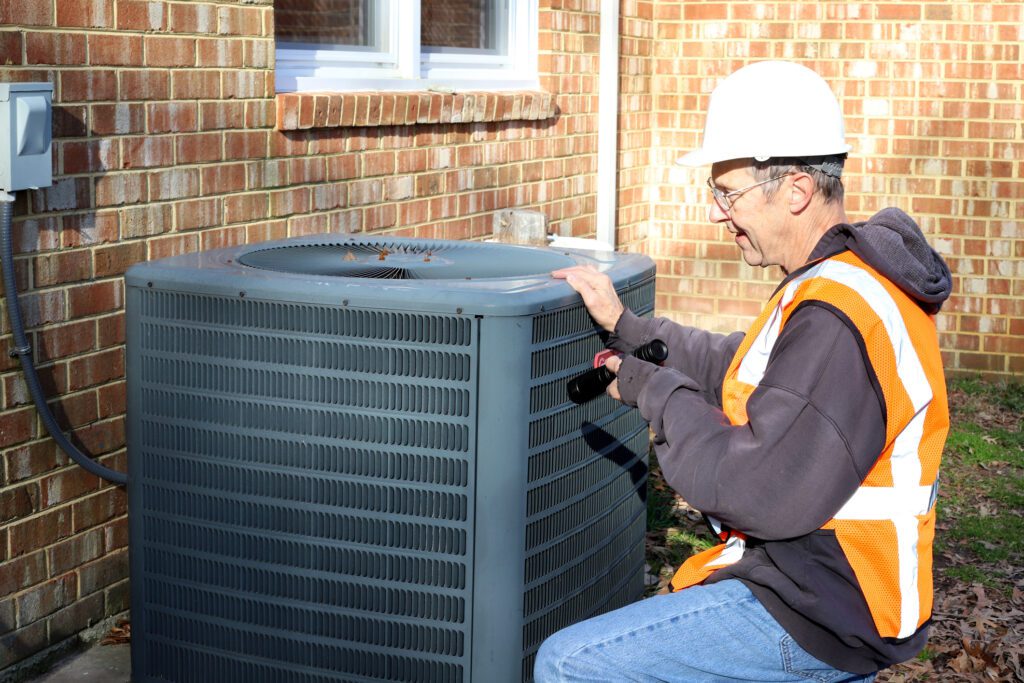
When your heat pump starts struggling on a cold western NC morning or running constantly through a humid summer afternoon, the big question is always the same: do you need a heat pump repair, or is it time for a full replacement? Both options have their place, and choosing the wrong one can cost you thousands of dollars or leave you without comfort right when you need it most. This guide walks through the signs to watch for, the numbers that should drive your decision, and when each path makes the most sense.
The Lifespan Factor
According to the U.S. Department of Energy, the average residential heat pump lasts 10 to 15 years, and newer ENERGY STAR units can save up to 20% on heating and cooling bills compared to systems older than a decade. If your system is past that 10-year mark, replacement starts to compete seriously with repair.
When Heat Pump Repair Makes More Sense
Plenty of issues are fixable problems that do not warrant tearing out an otherwise healthy system. Choose a heat pump repair when:
- Your unit is less than 10 years old
- You have not had any major breakdowns recently
- The problem is a single, isolated part (capacitor, contactor, fan motor, thermostat)
- The refrigerant is the current R-454b or R-32, not legacy R-22 or R-410a
Most repairs in this category run a few hundred dollars and restore years of reliable operation. Even bigger fixes like a reversing valve replacement can be worthwhile on a younger, well-maintained system.
When Replacement Is the Smarter Investment
There comes a point where dumping more money into an aging unit is throwing good money after bad. Lean toward replacement if:
- The system is 12 to 15+ years old
- The repair quote exceeds 50% of a new heat pump’s cost
- Your energy bills have steadily climbed even with maintenance
- The unit runs constantly but cannot keep up with temperature changes
- Refrigerant leaks keep returning
- The unit uses R-22 refrigerant (no longer manufactured in the U.S.)
- You have already paid for multiple repairs in the past 24 months
Modern variable-speed heat pumps are significantly more efficient than units made even 10 years ago. The energy savings alone often offset a meaningful portion of the replacement cost over the life of the new system.
Warning Signs to Take Seriously
Whether you ultimately pursue repair or replacement, do not ignore these red flags:
- Grinding, banging, or hissing noises
- Ice on the outdoor coil that does not clear
- Uneven temperatures from room to room
- Short cycling (turning on and off frequently)
- A burning or musty smell
- Sudden spikes in your utility bill
A professional heat pump repair diagnosis can quickly identify whether you are dealing with a quick fix or a much larger system issue.
Maintenance Extends Either Decision
Routine service is the single best way to delay the repair-or-replace question entirely. Twice-yearly tune-ups can extend lifespan by years and protect efficiency. Our HVAC maintenance team checks refrigerant levels, coil cleanliness, electrical connections, and airflow problems that quietly shorten heat pump life when left unchecked.
Get an Honest Diagnosis
The right call depends on numbers and details specific to your home, not a generic chart. The licensed technicians at All About Heat & Air in Mills River, NC have been guiding homeowners through this decision since 2011 and will give you a straightforward, no-pressure assessment of your options. To schedule a heat pump repair evaluation or replacement consultation, contact us today.
Schedule a Service or Request a FREE Estimate Now: